











Mumbai alone accounts for over 70% duplicate voters across 29 civic bodies: BMC's de-duplication drive reveals

Over 1.10 million suspected “duplicate” or “dubaar” voters have been identified in Mumbai ahead of the January 15 municipal corporation elections. The remaining 0.4 million suspected duplicate voters are spread across the other 28 corporations.
In a report by HT, officials from the urban development department said Mumbai alone accounts for more than 70% of the suspected duplicate voters across all civic bodies. This is despite Mumbai’s voter base forming about 29% of the total voters.
The Brihanmumbai Municipal Corporation (BMC) elections involve around 10.3 million voters, out of a total of 34.8 million voters across the 29 corporations. This data indicates that other municipal corporations may have under-declared the number of suspected duplicate voters. The figures clearly show gaps in the de-duplication process outside Mumbai.
Several factors have contributed to the high number of duplicate voters identified in Mumbai. These include a large floating population, a higher number of wards, and a much larger voter base. During a recent joint meeting, the Election Commission of India appreciated the efforts made by the BMC in identifying and verifying duplicate voters.
The civic body carried out a city-wide de-duplication exercise using its own software. The system used voter photographs to detect duplicate entries. Once identified, a large team of staff contacted voters and asked them to choose one polling location.
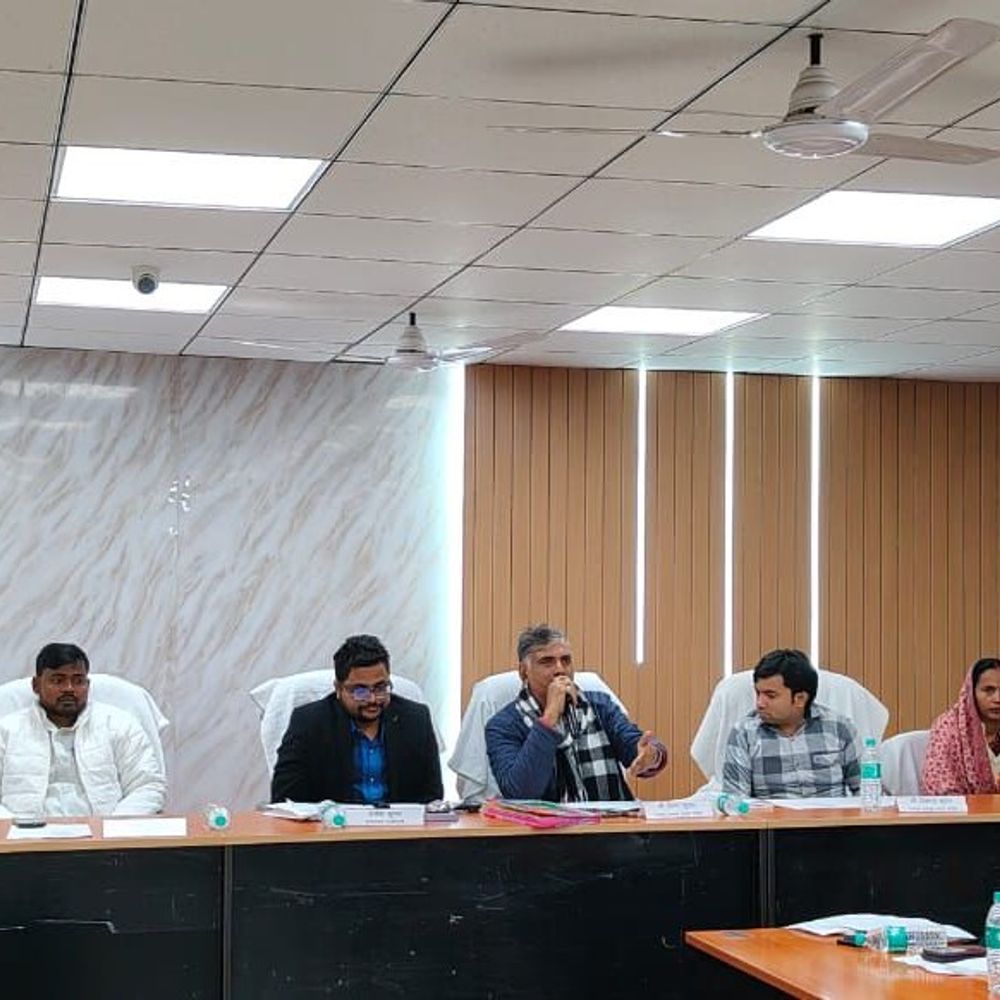
BMC Commissioner Bhushan Gagrani, who also served as the district election officer during last year’s assembly elections, is overseeing the civic polls. This has given the BMC access to both assembly and municipal electoral data. Officials said this access made door-to-door verification easier and helped in collecting written undertakings from voters.
In other municipal corporations, commissioners did not coordinate with district collectors who handled assembly elections and did not have similar access to data. As per sources, the voter list was split into two categories. The first included duplicate entries within the same ward. The second included duplicate entries across different wards.
For duplicates across wards, the BMC developed software that compared similar photographs to flag entries. This method helped speed up the identification process. As a result, the BMC has already contacted more than 60% of the 1.10 million suspected duplicate voters to obtain their confirmation on polling booth selection.
What's Your Reaction?
 Like
0
Like
0
 Dislike
0
Dislike
0
 Love
0
Love
0
 Funny
0
Funny
0
 Angry
0
Angry
0
 Sad
0
Sad
0
 Wow
0
Wow
0