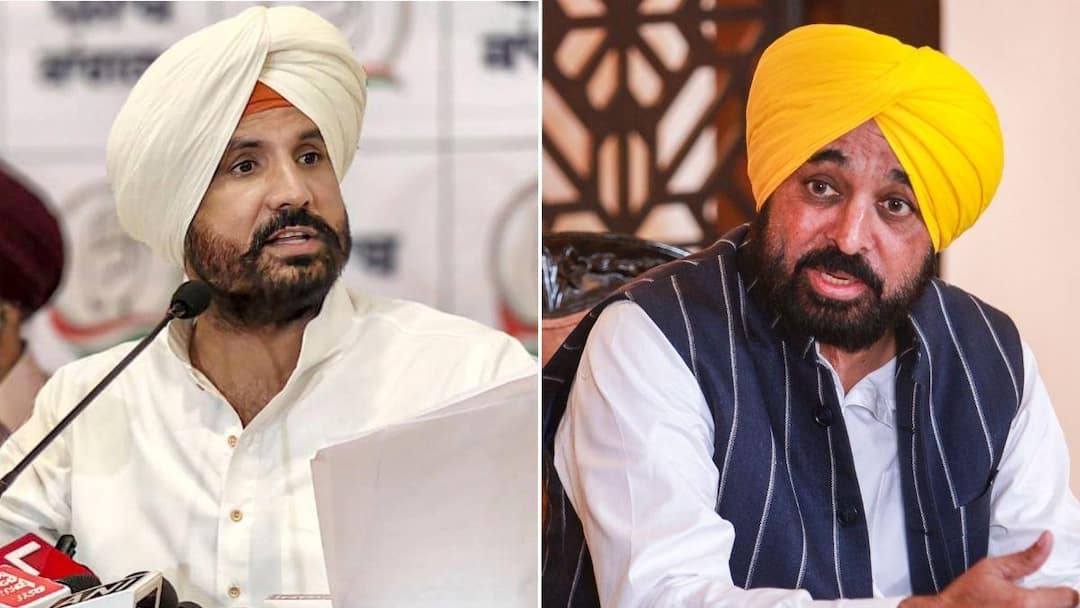
Punjab’s latest block committee and district council election results have sent a clear political message: voters are rewarding performance, not slogans. The outcome has underlined a strong pro-Aam Aadmi Party wave across rural Punjab, with the party winning nearly 70 per cent of the seats. This sweeping victory is being seen not merely as an electoral statistic, but as a public endorsement of the work done by the government led by Chief Minister Bhagwant Mann.
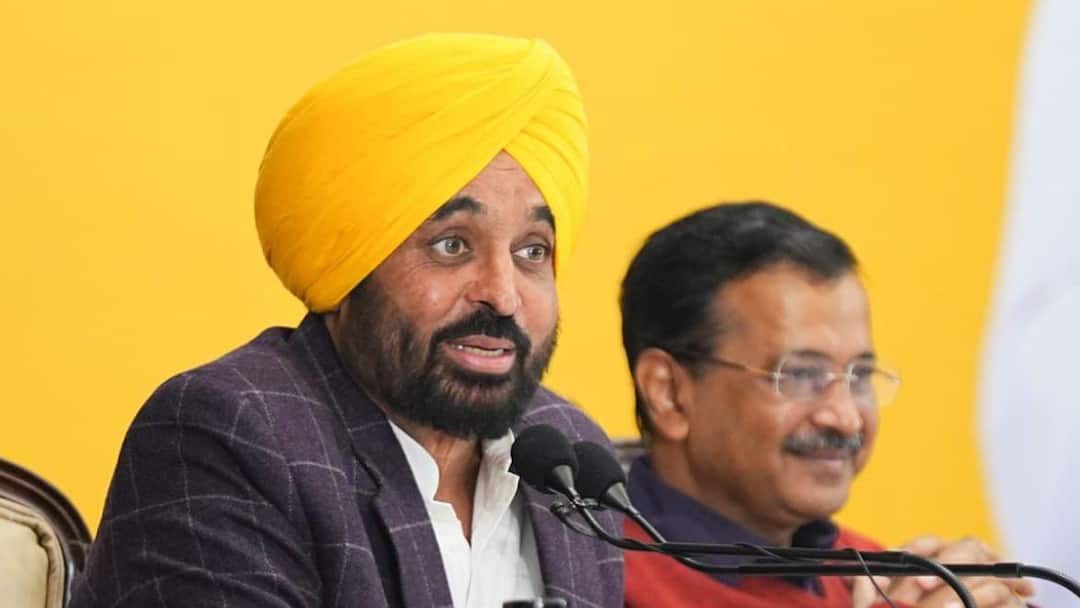
The picture that emerged from the press conference addressed by national convener Arvind Kejriwal and Chief Minister Mann was unambiguous. These elections were not held during a so-called “honeymoon period” of a new government; they came close to the completion of four years in office. While such a phase is usually associated with anti-incumbency, Punjab witnessed the opposite. Voters appeared to back continuity, casting their ballots after assessing the government’s record on the ground.
Free and Fair Polls, Close Fights Strengthen Credibility
One of the most striking aspects of the results was the emphasis on free and fair elections. Videography at every stage, recorded counting processes, and an unusually high number of close contests highlighted the transparency of the exercise. As many as 580 seats were decided by margins of fewer than 100 votes. Of these, AAP won 261 seats, while the opposition secured 319. There were even instances where Congress candidates won by margins of just three, four or five votes, reinforcing the argument that there was no misuse of official machinery.
Governance on the Ground Shapes Rural Support
The trust shown by rural Punjab did not emerge overnight. It is rooted in policy decisions whose impact has been visible at the village level. The government’s anti-drug campaign moved beyond paperwork, with action taken against drug traffickers, bulldozers used to demolish their properties, and over 25,000 arrests made. The message that reached villages was clear: protection would give way to strict enforcement.
Long-pending demands of farmers also saw tangible outcomes. For the first time in 70–75 years, canal water reached agricultural fields, while reforms in the power supply transformed daily routines. The compulsion to run tubewells at odd hours ended, replaced by eight hours of uninterrupted daytime electricity. Around 90 per cent of households in Punjab now receive free power, easing financial pressure on families.
Infrastructure development has been another visible marker. Road construction spanning 19,000 kilometres in rural areas and 83,000 kilometres overall is underway, backed by a five-year guarantee—an approach not seen earlier. On the employment front, more than 58,000 youths have been given government jobs without bribes or recommendations, with the Chief Minister personally distributing appointment letters.
Education and healthcare remained central to the government’s agenda. Changes in schools, the establishment of nearly 1,000 mohalla clinics, and improved treatment facilities in government hospitals strengthened public confidence. Preparations are also underway to provide health insurance cover of ₹10 lakh per family, with the process of issuing cards set to begin in January.
On environmental concerns, the state government has pushed back against claims blaming Punjab for Delhi’s pollution. With Punjab’s AQI ranging between 70 and 100 and stubble burning largely under control, the party has argued that shifting blame ignores facts, especially when the national capital continues to face severe air quality issues.
Against this backdrop, the rural local body election results have taken on the character of a referendum. The mandate reflects satisfaction and trust rather than compulsion. Punjab’s voters have made it clear that when a government delivers, operates transparently, and brings real change to everyday life, it earns sustained support. For the Aam Aadmi Party under Bhagwant Mann’s leadership, this victory stands as a testament to deepening public confidence, not just political success.












 Like
0
Like
0
 Dislike
0
Dislike
0
 Love
0
Love
0
 Funny
0
Funny
0
 Angry
0
Angry
0
 Sad
0
Sad
0
 Wow
0
Wow
0