







BMC gets HC clearance for Dharavi–Bhandup Water Tunnel Project
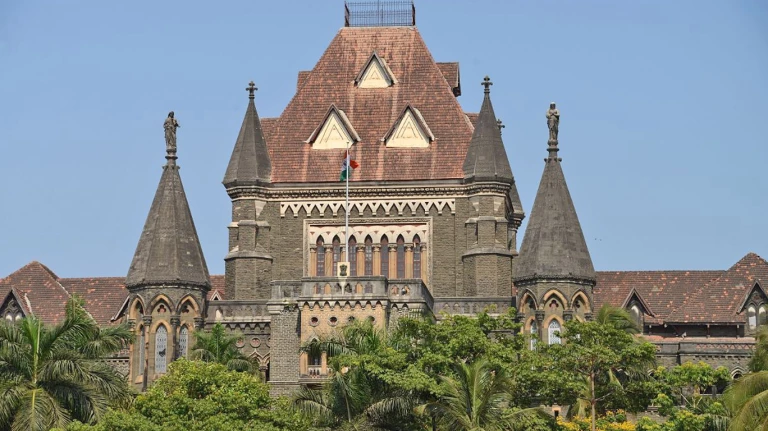
A major infrastructure milestone has been achieved for Mumbai, as Coastal Regulatory Zone approval has been granted for the Brihanmumbai Municipal Corporation’s planned tunnel that will convey tertiary-treated wastewater from the Dharavi treatment facility to the Bhandup Water Filtration Plant through Ghatkopar. With this clearance now in place, the estimated ₹3,000-crore construction programme has been allowed to move forward, marking the beginning of a crucial component of the city’s wastewater-reuse strategy.
The project is being positioned as part of a much larger ₹27,309-crore modernisation of seven sewage treatment plants across Mumbai. Under this upgrade plan, a combined 2,464 MLD of sewage is being targeted for processing, with equal volumes designated for secondary and tertiary treatment. The tertiary-treated output is intended to be transported through an 8.48-km tunnel, engineered at depths ranging between 145 and 150 metres and reaching a maximum of 152 metres at Ghatkopar. A carrying capacity of 416 MLD has been designed for the tunnel to ensure adequate volume transfer to the Bhandup complex.
It has been indicated by officials that this treated water may, in the long term, be considered for potable use, creating an additional supply source for a city that continues to struggle with shortages. This perspective has been reinforced by an internal observation that “treated water could also be used to meet future potable water demand.” Approval for the Ghatkopar–Bhandup link had previously been granted in September 2024, and the current clearance has now completed the regulatory framework required for construction to begin.
The context in which this project is advancing is defined by Mumbai’s persistent water imbalance. Although approximately 3,850–4,000 MLD of water is supplied daily, demand is estimated at about 4,500 MLD. The seven existing STPs at Worli, Bandra, Malad, Ghatkopar, Dharavi, Bhandup and Versova are collectively treating 2,464 MLD. Compounding the deficit is the city’s non-revenue water burden, with nearly 34% of supply — roughly 1,343 MLD — reportedly lost to leakages, pilferage and theft.
Against this backdrop, the reuse of treated water, even for industrial or non-potable applications, is being highlighted as a critical necessity. The newly sanctioned tunnel is therefore being viewed as an important step towards improving Mumbai’s resilience and sustainability in future water management.
What's Your Reaction?
 Like
0
Like
0
 Dislike
0
Dislike
0
 Love
0
Love
0
 Funny
0
Funny
0
 Angry
0
Angry
0
 Sad
0
Sad
0
 Wow
0
Wow
0